Introduction

I want your first session to feel confident, safe, and effective. This troubleshooting guide shows what to do, fix, and avoid. For quick basics and pro-level safety, start with a good massage mindset. I keep everything mobile-first and updated for 2025. Whether you’re a beginner or looking to refine your skills, this guide covers essential techniques, types, and tips to ensure a positive experience.
Basic Techniques for a Perfect Massage
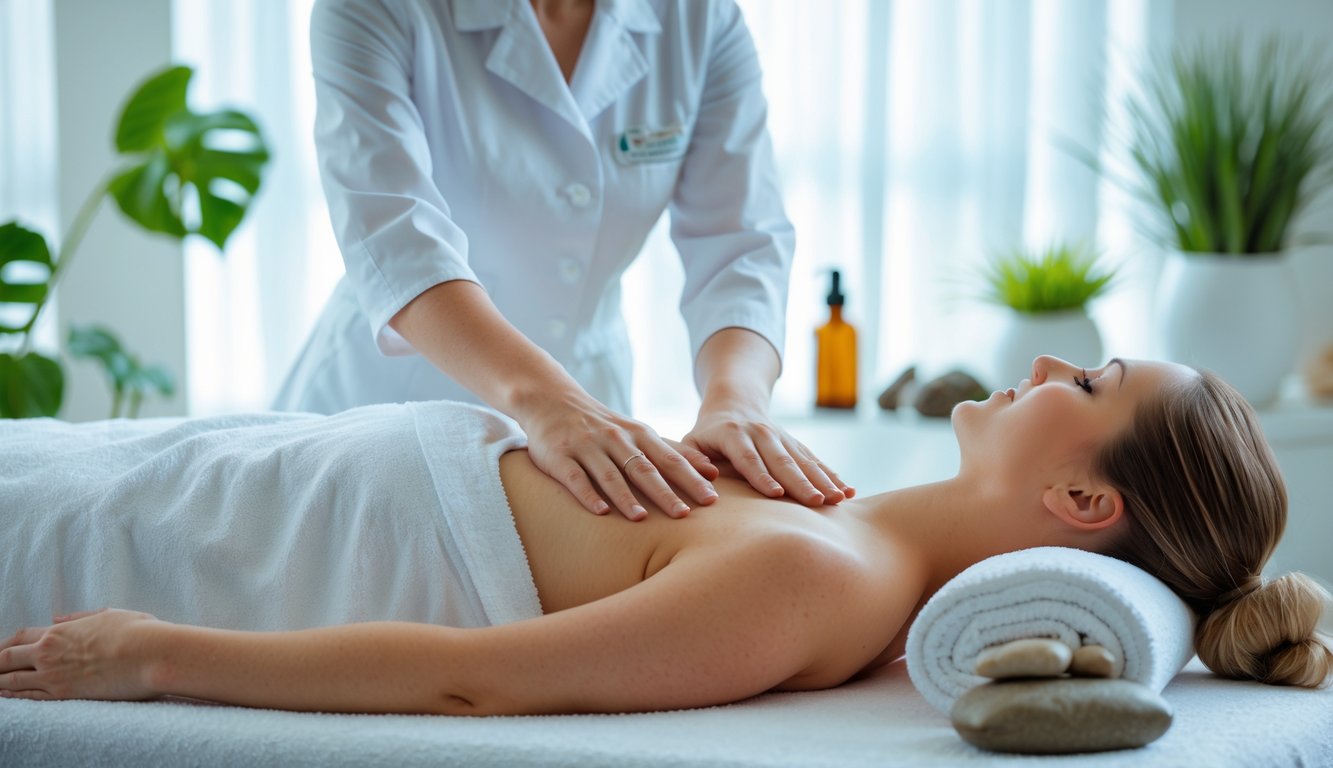
Mastering basic techniques is crucial for delivering a good massage that addresses common issues effectively. These foundational methods help warm up the body, release tension, and promote relaxation. By incorporating them thoughtfully, you can troubleshoot problems like muscle stiffness or discomfort during sessions. Start with lighter approaches and build up based on feedback to ensure safety and efficacy.
Effleurage: Long, gliding strokes to warm up muscles
I start with oil and long strokes to gently warm the tissues. I follow muscle lines slowly, allowing the skin to glide smoothly without pulling. If skin drags, I add more lotion to maintain flow and prevent irritation. This technique sets a relaxing tone for the entire massage, helping the recipient ease into the session comfortably.
Petrissage: Kneading and squeezing to release tension
I lift, squeeze, and roll the muscle groups methodically to target built-up tension. I keep wrists neutral to avoid strain on my own body while applying medium pressure. If cramps appear in the recipient, I reduce pressure immediately and reassess their comfort level. This method is excellent for breaking down knots and improving overall muscle flexibility when done correctly.
Tapotement: Rhythmic tapping to stimulate circulation
I use cupped hands or fingers to create a steady rhythmic tapping on the skin. I maintain a consistent rhythm to boost blood flow without causing discomfort. If the skin reddens too quickly, I ease up on the intensity to prevent bruising. Incorporating this technique can invigorate the body and enhance the energizing effects of a good massage.
Friction: Deep circular movements to break down adhesions
I sink into the tissue gradually, then make small circular motions to address adhesions. I stay on one spot only briefly to avoid overworking the area. If pain spikes suddenly, I stop and communicate with the recipient to adjust. This focused approach is ideal for chronic issues, promoting deeper healing when integrated into your massage routine.
Different Types of Massage
Exploring various types of massage allows you to tailor sessions to specific needs and preferences, enhancing the overall experience. Each style offers unique benefits, from relaxation to targeted relief, and understanding them helps in troubleshooting mismatches. Always consider the recipient’s health history and goals when selecting a type. This knowledge ensures safe and effective sessions, making your good massage skills more versatile.
Swedish Massage: Gentle strokes for relaxation
I prioritize comfort and flow in Swedish massage by using long, gentle strokes. I apply light to medium pressure to promote deep relaxation without overwhelming the body. If tension remains after initial strokes, I incorporate kneading to further release tightness. This type is perfect for beginners seeking a soothing experience that reduces stress effectively.
Hot Stone Massage: Heated stones for deep muscle relief
I always test the stone temperature on my own skin first to ensure safety. I move the stones constantly along the muscles to distribute heat evenly. If the skin feels too hot, I remove them immediately and allow cooling time. This method penetrates deep into muscles, providing relief from chronic tension in a luxurious way.
Aromatherapy Massage: Essential oils for enhanced well-being
I dilute essential oils properly to avoid skin irritation during the session. I perform a patch test on sensitive skin beforehand to check for reactions. If the scent overwhelms the recipient, I ventilate the room or switch to a milder blend. Combining aromas with massage strokes can elevate mood and promote holistic wellness.
Deep Tissue Massage: Intense pressure for chronic pain
I warm up the muscles thoroughly before applying deeper pressure to prevent injury. I increase intensity gradually, monitoring the recipient’s responses closely. If their breath tightens or they tense up, I back off and reassess. This technique is highly effective for addressing long-term pain when executed with care.
Sports Massage: Targeted therapy for athletes
I identify overloaded areas by discussing the athlete’s activities and pains. I mix stretching with friction techniques to restore mobility. If muscle spasms begin, I pause and apply gentler methods to calm the area. This approach helps athletes recover faster and perform better.
Trigger Point Massage: Focused on pain points
I locate trigger points by following referral pain patterns described by the recipient. I hold steady pressure on the point, then release slowly to alleviate discomfort. If tingling spreads unexpectedly, I stop to avoid nerve irritation. Regular use can significantly reduce chronic pain over time.
Reflexology: Foot pressure for overall health
I map out reflex zones on the feet before starting to target specific body systems. I apply pressure methodically and check in for feedback throughout. If the area feels ticklish, I slow down and use firmer, more deliberate presses. This non-invasive method supports overall health by stimulating corresponding organs.
Shiatsu Massage: Acupressure for energy flow
I use thumb pressure along energy meridians to balance the body’s flow. I apply steady holds, allowing time for the body to respond. If joints complain during pressure, I adjust my technique or position. Shiatsu can enhance vitality and reduce fatigue effectively.
Thai Massage: Stretching and yoga-like poses
I cue each stretch clearly to ensure the recipient is prepared and comfortable. I support their joints carefully throughout the movements to prevent strain. If any pull feels sharp, I stop immediately and modify the pose. This dynamic style improves flexibility and energy levels.
Prenatal Massage: Safe relief for pregnant individuals
I use side-lying positioning to accommodate the changing body safely. I avoid any deep work on the abdomen to protect both mother and baby. If dizziness occurs during the session, I end promptly and assist with recovery. This gentle approach alleviates pregnancy discomforts effectively.
Couples Massage: Shared experience for partners
I sync the pace and communication between both recipients for a harmonious session. I keep expectations aligned by discussing preferences upfront. If rhythms clash, we reset and adjust accordingly. This shared activity strengthens bonds while providing relaxation.
Chair Massage: Quick, seated session
I focus on the neck, back, and shoulders in this convenient format. I keep sessions short to fit busy schedules without overwhelming. If numbness appears in any area, I stop and encourage movement. It’s an accessible way to relieve tension on the go.
Lymphatic Drainage Massage: Boosts immune system
I use feather-light strokes to encourage fluid movement toward lymph nodes. I proceed gently to avoid aggravating any swelling. If swelling worsens, I stop and recommend professional advice. This technique supports detoxification and immune health.
Cranial Sacral Therapy: Gentle skull and spine adjustments
I keep my touch extremely light to tune into the body’s subtle rhythms. I track these rhythms carefully for effective adjustments. If a headache increases, I pause and reassess the approach. This subtle therapy promotes nervous system balance.
Abhyanga Oil Massage: Ayurvedic warm oil therapy
I warm the oil safely to a comfortable temperature before application. I use long, nurturing strokes to infuse the skin with moisture. If skin reacts adversely, I switch to a different oil type. This ancient practice nourishes the body and calms the mind.
Myofascial Release Therapy: Eases connective tissue restrictions
I wait patiently for the tissue to ‘melt’ under sustained gentle pressure. I maintain this pressure without forcing movement. If the body starts guarding, I ease off to allow relaxation. This therapy restores mobility by addressing fascial restrictions.
What You’ll Need to Give an Amazing Massage
Having the right essentials ready can transform a standard session into an amazing good massage experience. These items ensure smoothness, comfort, and safety throughout. Preparing them in advance allows you to focus fully on the technique and recipient’s needs. From oils to ambiance, each element plays a key role in troubleshooting potential issues.
Massage oils or lotions for smooth gliding
I choose hypoallergenic options to minimize allergic reactions. Budget choices often range from RM20 to RM80, offering good quality without excess cost. If grip slips during application, I use less product to maintain control. Selecting the right lubricant enhances the glide and overall effectiveness of your strokes.
A comfortable room with adequate temperature control
I aim for a neutral warmth that keeps everyone comfortable without overheating. I silence notifications and distractions to maintain focus during the session. If shivering starts, I add blankets or adjust the thermostat promptly. A well-controlled environment supports relaxation and prevents discomfort.
A massage table, bed, or supportive chair
I stabilize the surface to prevent any wobbling that could disrupt the flow. I adjust the height to promote good posture and reduce strain on my body. If my back strains during the massage, I raise the surface for better ergonomics. The right setup ensures both safety and comfort for extended sessions.
A sheet or blanket to ensure privacy and warmth
I drape the sheet professionally and securely to maintain modesty. I uncover only the specific area being worked on at a time. If chills appear, I re-cover quickly to restore warmth. This practice respects boundaries while keeping the recipient comfortable.
Key Elements to Keep in Mind When Giving a Massage
A successful massage hinges on key elements like preparation, communication, technique, and aftercare. Integrating these creates a seamless and beneficial experience. They help troubleshoot issues in real-time, ensuring safety and satisfaction. Remember, a good massage is as much about the process as the touch itself.
Preparation: Set up the space and gather supplies
I set the lighting low to create a calming atmosphere right from the start. I keep sanitizer and all tools nearby for easy access. If anything is missing, I pause to fetch it before beginning. Thorough preparation prevents interruptions and builds confidence.
Communication: Discuss preferences and check in often
I ask about goals, limits, and any concerns upfront to tailor the session. I confirm pressure levels every few minutes to stay aligned. If pain hits unexpectedly, I stop immediately and adjust. Open dialogue ensures a positive and safe experience.
Technique: Use proper body mechanics to avoid strain
I hinge at the hips to generate power without overexerting my back. I stack my joints for efficient leverage during strokes. If my wrists ache, I switch to alternative tools or positions. Proper mechanics protect both giver and receiver from injury.
Aftercare: Provide water and allow time to relax
I encourage the recipient to rise slowly to avoid dizziness post-session. I offer water and a quiet space for recovery. If soreness persists, I suggest applying heat or resting. Good aftercare maximizes benefits and encourages future sessions.
7 Tips to Give the Perfect Massage
These seven tips can elevate your skills and help deliver the perfect good massage every time. They address common pitfalls and enhance overall quality. Implementing them consistently will improve flow, safety, and satisfaction. From environment to technique, each tip is a quick fix for better results.
Create a comfortable and relaxing environment
I reduce clutter first to make the space inviting and serene. I lower noise sources like fans or electronics for tranquility. If drafts blow in, I block them with screens or doors. A comfortable setting helps the recipient unwind fully.
Set the mood with lighting, music, and ambiance
I choose warm, dim lighting to foster relaxation without glare. I select gentle music that complements the session’s pace. If external chatter intrudes, I mute it or use white noise. The right ambiance enhances the therapeutic effects.
Ensure you have the right tools like lotions or oils
I place all tools within easy reach to avoid breaking the flow. I keep backups ready in case of shortages during the massage. If spills happen, I wipe them up immediately to maintain cleanliness. Proper tools ensure smooth, uninterrupted sessions.
Apply appropriate pressure based on feedback
I start with light pressure and build gradually based on responses. I watch the recipient’s breath and shoulder tension for cues. If breath shortens, I ease off to prevent discomfort. Feedback-driven pressure keeps the massage safe and effective.
Start at the neck to release upper body tension
I trace along the trapezius muscles to begin releasing built-up stress. I gently free the base of the skull with careful strokes. If headaches rise during this, I stop and check in. Starting here sets a relieving tone for the whole body.
Use varied techniques for the back, such as kneading
I alternate between gliding strokes and kneading for comprehensive coverage. I avoid direct pressure on the spine to prevent injury. If the ribs protest, I adjust my position or intensity. Variety keeps the session engaging and thorough.
Be gentle with limbs, hands, and feet to avoid injury
I support joints carefully while working on limbs to ensure stability. I avoid aggressive twisting that could cause strain. If tingling starts, I stop immediately and reassess. Gentle handling promotes relaxation without risk.
Health Benefits of Massage
Regular massages offer numerous health benefits when performed safely and consistently. They contribute to physical and mental well-being in profound ways. Tracking improvements over sessions can motivate continued practice. From stress reduction to better sleep, a good massage supports holistic health.
Reduces stress and promotes relaxation
I help downshift the nervous system through deliberate, calming techniques. I incorporate lengthened exhale cues to deepen relaxation. If stress lingers, I slow the tempo and focus on breathing. This benefit is immediate and cumulative with regular sessions.
Alleviates muscle pain and tension
I target trigger spots precisely to release deep-seated pain. I blend in heat applications when appropriate for added relief. If pain spikes, I reassess the plan and modify. Consistent massages can significantly reduce chronic discomfort.
Improves circulation and flexibility
I employ rhythmic strokes to enhance blood flow throughout the body. I add gentle stretching to improve range of motion. If any pull feels sharp, I stop to avoid injury. Better circulation supports overall vitality and recovery.
Enhances sleep quality and immune function
I schedule sessions in the evening to promote restful nights. I ensure the finish is calm and unhurried. If sleep worsens unexpectedly, I shorten session times. Improved sleep bolsters the immune system naturally.
FAQs
Here are quick answers to common beginner questions about giving a good massage. I keep them simple, with a focus on safety first. These address key concerns to build your confidence.
What should I consider before giving a massage?
Check for red flags first, such as recent injuries, fever, or open wounds, which require skipping the session. Always discuss medical history to avoid complications. When unsure about any condition, I opt to keep things light or consult a professional. Prioritizing safety ensures a positive outcome for everyone involved.
How do I communicate with the recipient during a massage?
I set a pressure scale from 1 to 10 at the beginning to gauge comfort levels. I check in every few minutes with simple questions like ‘How does that feel?’ If anything feels wrong or painful, I stop immediately and adjust. Effective communication builds trust and enhances the experience.
What should I do after the massage?
Offer water and a quiet space to allow the recipient to relax and reorient. Suggest gentle movements later to integrate the benefits. If soreness persists beyond a day, I recommend applying heat or resting more. Proper aftercare maximizes the positive effects of the session.